The Invisible Brand
You did everything the branding advice told you to do. Clean logo, tidy website, nice fonts, the grid all lined up. And still nothing’s happening. Here’s what nobody warns you about: looking like a brand and actually being one are two different things, and most of us chase the wrong one.
How being pretty and polished is quietly costing you attention. A gut check for towns, creators, and businesses that look the part but still get ignored.
So let me walk you through something I run into constantly, because I think once you see how it actually works, you won't be able to unsee it. Somebody's done everything the branding advice told them to do. Clean logo, tidy website, the Instagram grid all lined up, nice fonts, calm colors, the whole deal. On paper it looks great. And nothing's happening. And they cannot for the life of them figure out why.
No engagement. Nobody's sharing it. No inquiries. The people they built the whole thing for just scroll right past like it's not even there. And here's what makes it sting, so stay with me, because the reason matters. They did the work. They spent the money. They followed the instructions to the letter. So when it doesn't land, it doesn't feel like a small miss. It feels personal. It feels like a rejection of them.
And I want to be real honest about why that happens, because it is almost never the thing people think it is. It's not that the design was bad. The design was usually fine. The problem is that looking like a brand and actually being one are two totally different things, and basically all of us got taught to chase the first one and call it a day.
The over-branding trap, and why it's so easy to fall in
Here's the pattern, and I see it everywhere. Small towns trying to sell themselves as quaint but modern. Nonprofits with a gorgeous pitch deck and zero traction in their own backyard. Creative folks with a beautiful site nobody visits. And every time, the same thing happened underneath. They built something that looked like what they figured they were supposed to look like.
Clean, safe, professional. And nobody warns you about this part, so let me be the one to do it. Clean and safe and professional can also be completely forgettable. You can polish a thing until it doesn't say a single thing at all. Think about that for a second, because it's the whole ballgame. Polish and meaning are not the same lever. You can crank one all the way up and leave the other at zero.
Because professional isn't the same as compelling. Polished isn't the same as powerful. And looking the part doesn't mean anybody feels anything when they find you. And here's why that matters so much right now. If they don't feel anything, they won't follow, won't share, won't book, won't buy. Attention runs on feeling. Not on finish. So when you pour everything into finish, you're optimizing the one thing that was never going to move them.
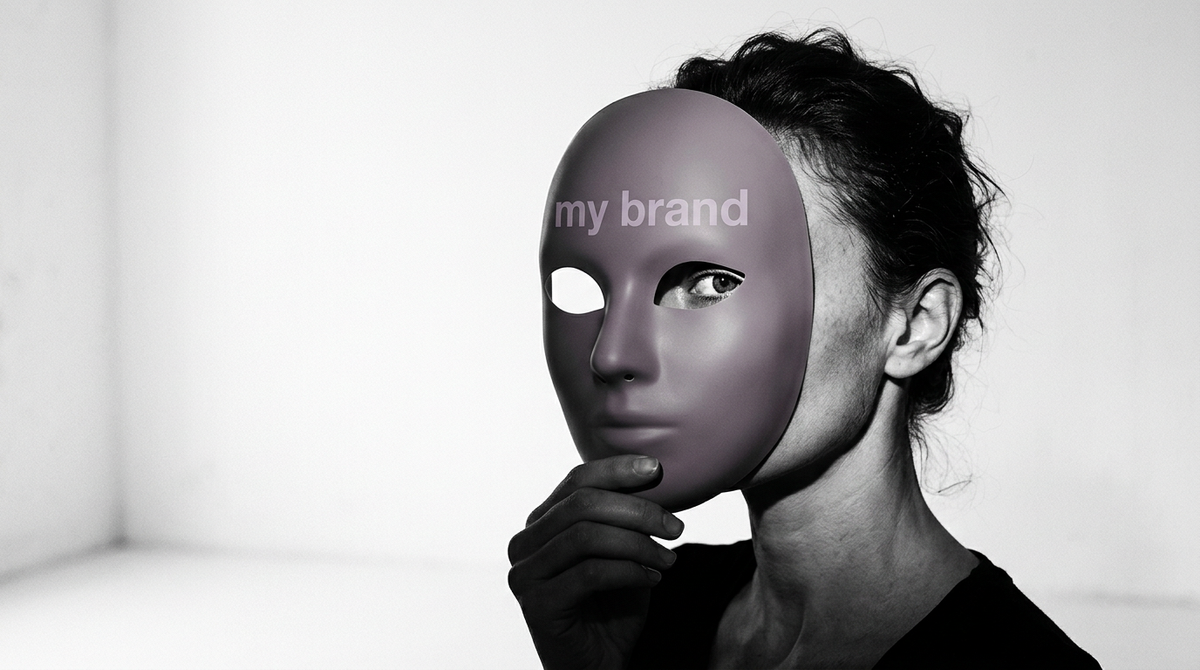
The brands that actually work aren't just consistent to look at. They stand for something, and you can tell what they believe. So when the right person lands on the page, here's the reaction you're going for. Not "oh, this is nicely designed." You want "wait, this is me." And I want to be clear about why those are so far apart, because it's easy to blur them. One is admiration from a distance. The other is recognition. Admiration scrolls on. Recognition stops and stays. Polish buys you admiration. It can't buy you recognition.
And the part that really gets me is the order people do it in. So many businesses, especially the older ones and the cultural orgs and the small towns, pour the money into how they look before they've even gotten clear on what they're trying to say. And I get the instinct, design feels like progress you can see. But it's backwards. Because if the message is fuzzy, all the pretty design does is make the confusion look better. Now you've got a beautiful version of something nobody understands, which is honestly harder to fix than an ugly version, because it looks done.
Why we reach for polish in the first place
So why do we do it? Let's actually sit with that, because the honest answer is useful. Polish feels safe. That's the whole thing. It makes you feel like you did something right. It looks like control. And it's exactly what every old branding checklist told you to do, so there's real comfort in just following the rules and checking the boxes.
But underneath the safe choice, there's usually a quieter thing happening, and this is the part worth being honest with yourself about. We're scared to say something real. Because if you say something real, somebody might disagree. You stop sounding like a press release and you start sounding like a person. You take an actual position instead of staying neutral and smooth and inoffensive.
And here's the trade people don't realize they're making. Most of us would rather blend in and look professional than stand out and be honest. I get it, blending in feels safer. But follow that out to where it actually goes. Blending in is how you become invisible. Neutral isn't a safe little hiding spot. It's just a slow, polite way to disappear. You don't get punished for it. You just never get chosen, which, over a long enough time, is the same thing.
A quick gut check, and then how to fix it
Before you go fixing anything, it helps to know if this is even your problem. So sit with these for a second and be honest with yourself. Your brand voice reads more like a press release than a person. You're piling up likes but not inquiries. You can't say what makes you different without just listing your features. You've put way more into how it looks than into what it says. You get compliments but not conversions. And most of what you make, you're making for the brand instead of for the person you're actually trying to reach.
If two or more of those hit, here's the good news, and I mean this. You didn't build a bad brand. You built one that looks good but has no gravity. And gravity, that pull that makes somebody actually stop, that's the only thing holding attention anymore. So let me give you where I'd start, and why each one works.
Trade professional for personal. Quit writing like you're applying for an award and start writing like you're talking to the one person who really needs you. Here's the difference in practice. "Historic downtown offers a unique blend of culture and charm" versus "you'll walk these streets once and feel like they never left you." The first one is safe and you forget it instantly. The second one reaches out and grabs you. And the reason the second works is simple. It's about the person's experience, not about you describing yourself.
Lead with clarity, not credentials. Nobody cares how many services you offer or what year you started until they know whether you get them. The question everybody's quietly asking is, why does this matter to me, right now. That's it. And if they can't feel the answer in the first few seconds, they're gone. So answer that question first, before you've earned the right to talk about yourself, because online you never get the slow build.
Stop trying to be for everybody. Generic feels safe, and that's exactly why it flops. And here's the counterintuitive part worth understanding. You grow faster by really landing with a smaller group than by mildly pleasing everybody. "We serve businesses of all sizes" calls nobody in. "We work with owners who are tired of looking the part and still not getting chosen" calls somebody in by name. Being specific isn't a limitation. It's the whole mechanism. Specificity is what makes a person feel seen, and feeling seen is what makes them stop.
And then go audit your own stuff for feeling. Walk through your site and your posts and ask three honest questions. Does this make me feel anything. Would I actually stop for this if it showed up in my feed. And does this sound like a real human, or like a brand trying not to step on anybody's toes. That alone will tell you whether what you built is alive or just neatly arranged. And be honest on that last one, because that's usually where the whole thing is hiding.
Where this leaves us
So here's where I land. We're past the point where just looking good is enough. The world does not need another brand that reads nice on paper. It needs businesses that say something real, that feel like something honest, and that move a person before that person moves on. And moving on, in a feed, takes about half a second, so you don't have long.
Pretty isn't enough. Professional isn't enough. Polish with no point of view is just invisible. So here's the challenge I'd actually leave you with. Spend less energy on how you look and more on what you make people feel. Get clear before you get pretty. Because clarity beats polish, every time, and resonance beats just about everything else. That's the part nobody's selling you, because it's harder to sell than a logo. But it's the part that actually works.